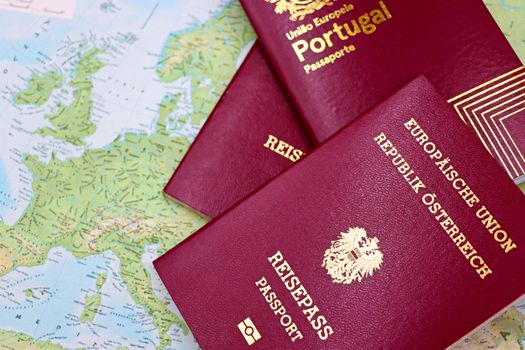
Travelers frequently find themselves passing through Australia en route to destinations across Asia, Oceania, or the Americas. As one of the world’s major transit hubs, Australian airports welcome millions of transit passengers each year. But unlike some countries, Australia enforces strict visa requirements even for those who never leave the airport. Failing to comply can result in denied boarding, missed flights, or even being refused entry into Australia. Understanding exactly what transit visa you need—and when—is vital for a smooth journey.
This comprehensive guide will walk you through the different visa options for transiting through Australia, eligibility criteria, major exceptions, application processes, and key differences to help you avoid common pitfalls. Whether you’re stopping for a few hours or overnight, read on to ensure your Australian transit goes off without a hitch.
Understanding Transit Through Australia: What Does It Mean?
Transiting through Australia means passing through an Australian airport on your way to another country, without entering Australia for tourism, business, or other purposes. Typically, this involves a connecting flight where Australia is not your final destination. Every year, over 2 million international travelers transit through major airports like Sydney, Melbourne, and Brisbane.
Australian authorities treat transit passengers strictly: even if you never leave the airport’s international transit zone, you may still require a visa. The rules depend on your nationality, the length of your layover, and whether you need to clear immigration (for example, to collect luggage or change terminals).
Who Needs an Australian Transit Visa?
Australia’s visa system is thorough. Even for short airport layovers, many travelers need specific permission to transit. The main visa options are:
1. Subclass 771 Transit Visa 2. Electronic Travel Authority (ETA) or eVisitor (in certain cases) 3. No visa required (for passport holders from certain countries, under strict conditions)Let’s break down the criteria for each scenario.
Subclass 771 Transit Visa: The Standard Option
The Transit Visa (subclass 771) is designed for travelers who:
- Will be in Australia for no more than 72 hours - Are passing through on their way to another country - Do not intend to work, study, or remain in Australia$1
- $1 72 hours maximum stay from arrival - $1 Free of charge - $1 75% of applications finalized within 10 days (but delays are possible—apply early) - $1 Over 56,000 Subclass 771 visas were grantedYou will need this visa if:
- Your nationality is not eligible for the transit-without-visa exception (see next section) - You must clear immigration (e.g., to collect checked luggage, change terminals, or a layover longer than 8 hours) - You are a flight crew member joining a ship or aircraft in Australia $1 - Online application via the Australian Government’s ImmiAccount system - You must provide a confirmed onward booking within 72 hours and a valid visa for your next destination (if required)Transit Without Visa: Who Qualifies for the Exemption?
Australia offers a limited “Transit Without Visa” (TWOV) provision for certain passport holders under strict circumstances:
$1 - You must hold a passport from one of 36 specified countries, including the UK, US, Canada, New Zealand, Japan, and most EU member states - The onward flight must be within 8 hours of arrival - You must remain in the airport’s international transit zone - You must have a confirmed onward booking and necessary visas for your next destination$1 If your layover exceeds 8 hours, if you need to change terminals that require clearing immigration, or if your nationality is not on the TWOV list, you must obtain a transit visa.
$1 - Some Australian airports (like Perth and Cairns) do not allow airside transit—requiring everyone to clear immigration and thus need a visa - Codeshare flights or separate bookings may require you to re-check luggage, necessitating a visa$1 United Kingdom, United States, Canada, Japan, South Korea, Singapore, EU countries, Switzerland, Norway, Iceland, Malaysia, Brunei, Hong Kong SAR, and a few others.
Comparison Table: Australian Transit Visa Options
| Option | Eligible Nationalities | Max Layover | Stay in Transit Zone? | Visa Required? | Application Cost |
|---|---|---|---|---|---|
| Transit Without Visa (TWOV) | 36 countries (e.g., US, UK, EU, Japan, Canada) | 8 hours | Yes | No | Free |
| Subclass 771 Transit Visa | All other nationalities | 72 hours | No (can clear immigration) | Yes | Free |
| ETA / eVisitor | ETA/eVisitor eligible countries | Varies (usually up to 3 months) | No (can enter Australia) | Yes (if exiting transit zone) | $20 AUD (ETA), Free (eVisitor) |
When Do You Need an ETA or eVisitor Instead?
If your transit involves:
- Leaving the airport (for a city visit or overnight layover) - A stay longer than 72 hours - Changing airports (e.g., flying into Sydney and out of Melbourne)You must apply for a regular visitor visa—either the Electronic Travel Authority (ETA, subclass 601) or eVisitor (subclass 651), depending on your nationality. The ETA is available to citizens of around 9 countries, including the US, Canada, Singapore, and Japan. The eVisitor is available to citizens of 36 European countries.
These visas allow multiple entries and stays of up to three months per visit. They are not intended for transit alone, but are necessary if your layover requirements exceed the transit visa’s conditions.
$1 A Canadian citizen with a 20-hour layover in Sydney who wants to leave the airport and see the city must apply for an ETA, not a transit visa.
Special Cases: Unaccompanied Minors, Seafarers, and Crew
Some transit scenarios require extra attention:
- $1 Children under 18 traveling alone must have proper documentation and may face additional scrutiny. The same transit visa requirements apply. - $1 Crew joining a vessel or aircraft in Australia may use the Maritime Crew Visa (MCV, subclass 988) or Subclass 771, depending on their itinerary. - $1 Australia works with the International Organization for Migration to facilitate safe transit for refugees, who may receive special visa arrangements.Tips for a Smooth Australian Transit
- $1 Not all Australian airports permit airside transit. Sydney and Melbourne do, while some regional airports do not. - $1 If your bags are not checked through to your final destination, you’ll need a visa to clear immigration and re-check your luggage. - $1 Single booking reference numbers (through tickets) are safer for transits. Separate tickets may complicate your transit and require a visa. - $1 Apply for your visa at least 2-3 weeks before your journey, as processing can be delayed during peak periods. - $1 Carry a copy of your onward ticket and the visa (if needed) for your next destination. Airlines often check these before boarding.Key Takeaways: Navigating Australian Transit Visa Rules
Australia’s transit visa rules are among the strictest in the world. Even if you’re just passing through, take time to check your eligibility for the Transit Without Visa scheme, the Subclass 771 Transit Visa, or a regular visitor visa. The requirements depend on your nationality, the duration and nature of your layover, and the specific airports involved.
Careful planning will save you from unpleasant surprises at check-in or upon arrival. Remember: failing to have the correct visa may result in denied boarding, deportation, or fines for airlines. With over 2 million transit passengers in Australia each year, the rules are enforced strictly but are straightforward if you know what to expect.