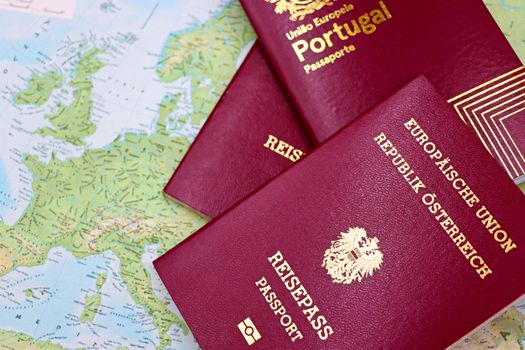
A Guide for Visa Applicants: How to Effectively Respond to Changes in 2024
The landscape of global migration is shifting rapidly, with 2024 shaping up to be a pivotal year for visa applicants. Across many countries, governments are tightening requirements, digitizing application processes, and adjusting eligibility criteria in response to economic, political, and health-related factors. For individuals seeking to live, work, or study abroad, adapting to these changes can be daunting. This guide delves into practical strategies for visa applicants to effectively respond to these new challenges, emphasizing proactive research, document management, leveraging technology, seeking professional support, and staying ahead of evolving policies.
The Changing Visa Landscape in 2024: Key Trends and What They Mean for Applicants
Visa systems worldwide are experiencing significant transformation. In 2024, several key trends are impacting applicants:
- Increased scrutiny and background checks: According to the Migration Policy Institute, over 60% of developed countries have introduced stricter vetting measures since 2022, often leading to longer processing times. - Digital-first applications: The United Nations World Tourism Organization reports that 78% of countries now require online visa applications, up from 52% in 2019. - Dynamic eligibility and quotas: Many nations, such as Canada and Australia, have shifted to points-based or dynamically adjusted quota systems, responding to labor market needs and international events. - Emphasis on compliance: There is a growing focus on compliance, with harsher penalties for misrepresentation or documentation errors.For applicants, this means the old approach of "apply, wait, and hope" is no longer sufficient. Instead, adaptability, vigilance, and a strategic mindset are essential.
Proactive Research: Staying Ahead of Policy Shifts
One of the most effective responses to visa changes is proactive research. Policies can change with little notice—sometimes within weeks or even days. For example, in early 2024, the UK Home Office announced a 15% increase in financial requirements for certain visa categories with only a one-month notice.
To stay ahead, applicants should:
- Subscribe to official government immigration newsletters and alerts. - Join reputable online forums and social media groups focused on their destination country. - Regularly check embassy and consulate websites for updates. - Set up Google Alerts for keywords relevant to their visa type and destination.A case in point: In February 2024, the US Department of State temporarily suspended in-person interviews for some non-immigrant visas due to a surge in applications. Applicants who were monitoring official announcements were able to swiftly reschedule or adapt their plans, avoiding missed deadlines.
Document Preparation: Building a Robust Application File
With higher scrutiny comes a greater need for meticulous documentation. In 2024, even minor inconsistencies or missing paperwork can result in costly delays or outright rejections. For instance, in Australia, 1 in 7 applications for skilled visas was delayed or refused in 2023 due to incomplete documentation, according to the Department of Home Affairs.
Key recommendations for document management:
- Create a digital and physical file for every required document—passport, financial statements, employment letters, educational transcripts, etc. - Use a checklist tailored to the latest official requirements, not outdated online templates. - Maintain translations and notarizations up-to-date, as expired or unofficial translations are frequent causes of refusals. - Prepare extra supporting documents that demonstrate ties to home country, financial stability, or intent to return, even if not explicitly required.Comparison Table: Document Requirements — 2023 vs. 2024 (Australia, Canada, UK)
| Document Type | Australia (2023) | Australia (2024) | Canada (2023) | Canada (2024) | UK (2023) | UK (2024) |
|---|---|---|---|---|---|---|
| Proof of Funds | 3 months bank statements | 6 months, higher minimum | 4 months bank statements | 6 months, updated minimum | 28 days bank statement | 3 months, higher threshold |
| Language Test | IELTS/TOEFL | IELTS/TOEFL, stricter scores | CLB 7 | CLB 8 minimum for some visas | B1 English | B2 English for most categories |
| Police Certificates | Some visas | All main applicant visas | Required | Required, more countries | Required if over 6 months abroad | Required for all adult applicants |
This table highlights how documentation standards are tightening across leading destinations, underscoring the need for vigilant preparation.
Leveraging Technology: Digital Tools to Streamline Your Visa Journey
The shift to digital-first visa processing is a game-changer for applicants. In 2024, more than 80% of applications for major destinations can be tracked, updated, and managed online. However, this also means applicants must be savvy with digital tools.
Effective use of technology includes:
- Creating secure, cloud-based folders for all documents to allow easy sharing and retrieval. - Using application portals’ built-in progress trackers and notification systems. - Utilizing document scanning apps that ensure high-resolution, legible uploads—blurred or low-quality images are a common cause of processing delays. - Taking advantage of official video tutorials and webinars often provided by embassies and consulates.For example, France’s new visa platform, France-Visas, launched in 2024, offers a real-time checklist and automated appointment scheduling, significantly reducing wait times for applicants who use the system effectively.
It’s also crucial to beware of phishing scams and unofficial websites; always use links provided directly by government sources.
Professional Support: When and How to Seek Expert Guidance
While self-preparation is possible for many simple visa categories, the increasing complexity of requirements means that professional assistance can make a significant difference. According to a 2023 survey by the Canadian Bureau for International Education, applicants using licensed immigration consultants had a 22% higher success rate for complex visa types than those who applied independently.
Professional support options include:
- Registered migration agents or immigration lawyers - Certified education or travel agents (for study, work, or tourism visas) - Accredited translation and document authentication servicesKey advice for working with professionals in 2024:
- Verify their credentials with relevant regulatory bodies (e.g., MARA in Australia, ICCRC in Canada, OISC in the UK). - Ask for a written service contract outlining fees, timelines, and responsibilities. - Avoid agents who guarantee visa approvals—no one can promise success.In addition, many embassies now offer free or low-cost advisory sessions for prospective applicants, which can be a valuable resource for initial guidance.
Adapting to Evolving Visa Policies: Building Flexibility into Your Plans
Perhaps the most important skill for 2024 visa applicants is flexibility. Policy changes, quota limits, and procedural updates can disrupt even the most carefully laid plans. For example, New Zealand’s 2024 cap on working holiday visas meant thousands of applicants had to adjust travel timelines or seek alternative pathways.
Tips for building flexibility:
- Prepare backup plans, such as alternative destinations or visa subclasses. - Consider timing carefully—apply as early as possible and avoid peak periods when processing delays are common. - Stay informed about transitional policies, such as grace periods or grandfathering clauses for new rules. - Budget extra time and funds for unexpected requirements, such as additional medical exams or document requests.In 2023, over 30% of international students in Canada faced study start delays due to late visa approvals. Those who had contingency accommodation and remote learning plans weathered the disruption with less stress.
Staying Informed: Monitoring Your Application and Policy Updates
Once your application is submitted, your role is not over. Regularly monitoring your application status and staying updated on policy changes is critical. Most countries now provide online status portals; check them at least weekly.
Also, subscribe to updates from:
- Your destination country’s immigration department - Relevant embassies or consulates - Official visa application centersIf you notice a significant delay or a request for additional documents, respond promptly—most authorities provide short windows (often 7-14 days) for responses.
Responding to Visa Changes in 2024: Practical Strategies for Success
The world of visas in 2024 is more complex but also more accessible for those who are prepared. By exercising proactive research, meticulous document management, effective use of technology, and seeking professional guidance when necessary, applicants can not only survive but thrive amid changing policies. Flexibility and vigilance are your greatest allies—by staying informed and adaptable, your journey toward your destination can remain on track, regardless of shifting requirements.