Preparing for a Visa Interview for Australia: Step-by-Step Strategies for Success
Applying for an Australian visa is an exciting step, whether your goal is to study, work, join family, or explore the country’s vibrant landscapes. However, the visa interview is often the most daunting part of the process for many applicants. It is a crucial moment that can determine the outcome of your visa application. Unlike the paperwork, the interview tests your preparedness, confidence, and ability to clearly communicate your intentions to the Australian authorities.
In this comprehensive guide, we’ll go beyond the basic advice and delve into actionable strategies, psychological preparation, and real-world scenarios to help you shine during your Australian visa interview. By understanding what to expect and how to present your case, you can increase your chances of a successful outcome and take one step closer to your Australian dream.
Understanding the Purpose of the Australian Visa Interview
The Australian visa interview is not just a formality—it serves several critical functions in the immigration process. Consular officers use this meeting to:
- Verify your identity and background. - Assess your genuine intentions for visiting Australia. - Check the authenticity of your documents. - Evaluate your understanding of your chosen visa subclass. - Identify any inconsistencies in your application.According to the Department of Home Affairs, in the 2022–2023 financial year, over 8.8 million visa applications were finalized. While not all applicants are called for interviews, a significant number—especially those applying for student, work, or partner visas—should prepare for this possibility.
The interview typically lasts between 15 and 30 minutes, but its impact can be lasting. Officers are trained to spot inconsistencies, so it’s essential to be honest, prepared, and composed.
Essential Documents: More Than Just Paperwork
Bringing the correct documents is fundamental, but preparing your documents is about more than just assembling a stack of papers. You should ensure that each document is up-to-date, clearly legible, and organized for easy access during the interview. Consular officers appreciate applicants who can quickly present requested paperwork without fumbling.
Here’s a checklist of typical documents you might need:
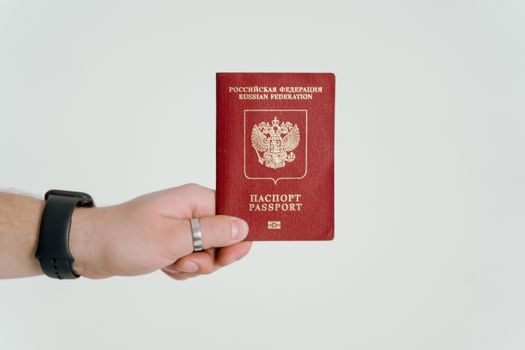
- Original and photocopies of your passport (with at least six months’ validity) - Completed visa application form and appointment letter - Proof of financial means (bank statements, payslips, tax returns) - Educational certificates or employment letters - Evidence of English proficiency (IELTS, TOEFL, or other recognized tests) - Health and character certificates, if required - Evidence of ties to your home country (property deeds, family documents) - Additional documents specific to your visa subclass (e.g., Confirmation of Enrollment for students, job offer letter for workers)Organize your documents in a logical order, and label them if possible. Some applicants create a table of contents or use colored folders for each section, making it easy to locate what’s needed at a moment’s notice.
Mastering Common and Unexpected Interview Questions
While every interview is unique, there are several common questions that most applicants can expect. However, officers may also throw in unexpected queries to gauge your spontaneity and truthfulness. Preparing for both types of questions will give you an edge.
Common questions include: - Why do you want to go to Australia? - What is the purpose of your visit? - Do you have relatives or friends in Australia? - How will you finance your stay? - What are your plans after your visa expires? Unexpected questions might probe: - Details about your study or work plans. - Your knowledge of the institution or company you’re joining. - Why you chose Australia over other countries. - How your visit aligns with your long-term goals.Role-playing is a highly effective preparation strategy. Ask a friend or family member to act as the visa officer and simulate an interview. This not only helps you practice your answers but also builds confidence in handling curveball questions under pressure.
Psychological Preparation: Confidence and Honesty Matter
Many applicants focus solely on factual preparation, forgetting the psychological aspect of the interview. Consular officers are trained to read body language, tone, and demeanor. Nervousness is normal, but excessive anxiety can raise red flags.
Here’s how to manage your mindset:
- $1 Breathing exercises reduce anxiety and help you stay calm. - $1 Imagine yourself confidently answering questions and leaving the interview room with a smile. - $1 Never fabricate information or provide false documents. In 2021, the Department of Home Affairs refused over 10,000 visa applications due to fraudulent claims or misrepresentation. - $1 While there’s no strict dress code, business casual attire demonstrates respect and seriousness.Remember, officers are not trying to intimidate you—they want to ensure you are a genuine traveler who meets the visa requirements. Approach the interview as a conversation, not an interrogation.
Comparing Visa Interview Expectations: Australia vs. Other Countries
It’s helpful to understand how the Australian visa interview process compares to those of other major destinations like the United States, United Kingdom, and Canada. Each country emphasizes different aspects, which can influence how you prepare.
| Country | Interview Focus | Average Duration | Document Scrutiny | Typical Outcome Time |
|---|---|---|---|---|
| Australia | Genuine intention, ties to home country, financial means | 15–30 minutes | High | 2–4 weeks |
| United States | Intent, ties, security concerns | 5–15 minutes | Very High | Few days to several weeks |
| United Kingdom | Intent, sponsorship, return plans | 10–20 minutes | Moderate–High | 3 weeks |
| Canada | Intent, financials, ties, travel history | 10–30 minutes | High | 2–8 weeks |
As seen above, Australia places significant emphasis on your genuine intention and ties to your home country. Highlighting these aspects can set you apart from other applicants.
Real-Life Scenarios and Red Flags to Avoid
Learning from real-world cases can help you avoid common pitfalls. Here are three frequent red flags that have led to visa interview denials:
1. $1 One applicant stated their reason for visiting was tourism, but their documents suggested a job search. Such discrepancies are a major red flag. 2. $1 An applicant for a student visa could not adequately explain the source of their funds, leading to doubts about their ability to support themselves. 3. $1 The officer was not convinced the applicant would return after their visa expired, as they could not demonstrate strong family or job commitments back home.On the positive side, successful applicants often:
- Answer questions confidently and consistently. - Present well-organized, genuine documents. - Clearly articulate their plans and reasons for choosing Australia.Remember, transparency is crucial. If you’re unsure about an answer or document, it’s better to admit it than to guess or invent information.
Day-of-Interview Strategies for a Smooth Experience
On the day of your interview, small details can make a big difference. Here are practical tips for maximizing your chances:
- $1 Plan to arrive at least 30 minutes before your scheduled time. This allows for unforeseen delays and gives you time to settle your nerves. - $1 Review your document folder before leaving home to ensure nothing is missing. - $1 Greet the officer with a smile and maintain respectful body language throughout. - $1 Wait for the officer to finish their question before answering. If you don’t understand a question, it’s acceptable to politely ask for clarification. - $1 Rambling can create confusion. Provide clear, direct answers unless further explanation is requested.Finally, remember to thank the officer for their time as you leave. A respectful, positive attitude is always remembered.
Final Thoughts: Turning Interview Preparation into Approval
The Australian visa interview is your opportunity to make a strong impression and reinforce the credibility of your application. With over 8.8 million visa applications processed annually, competition is stiff, and officers must make decisions quickly and accurately. By understanding the purpose of the interview, preparing your documents meticulously, practicing your answers, focusing on psychological readiness, and learning from real-life examples, you significantly increase your chances of success.
Approach the experience as a professional conversation rather than a hurdle. With the right preparation, you can walk into your interview with confidence and walk out one step closer to your Australian adventure.